
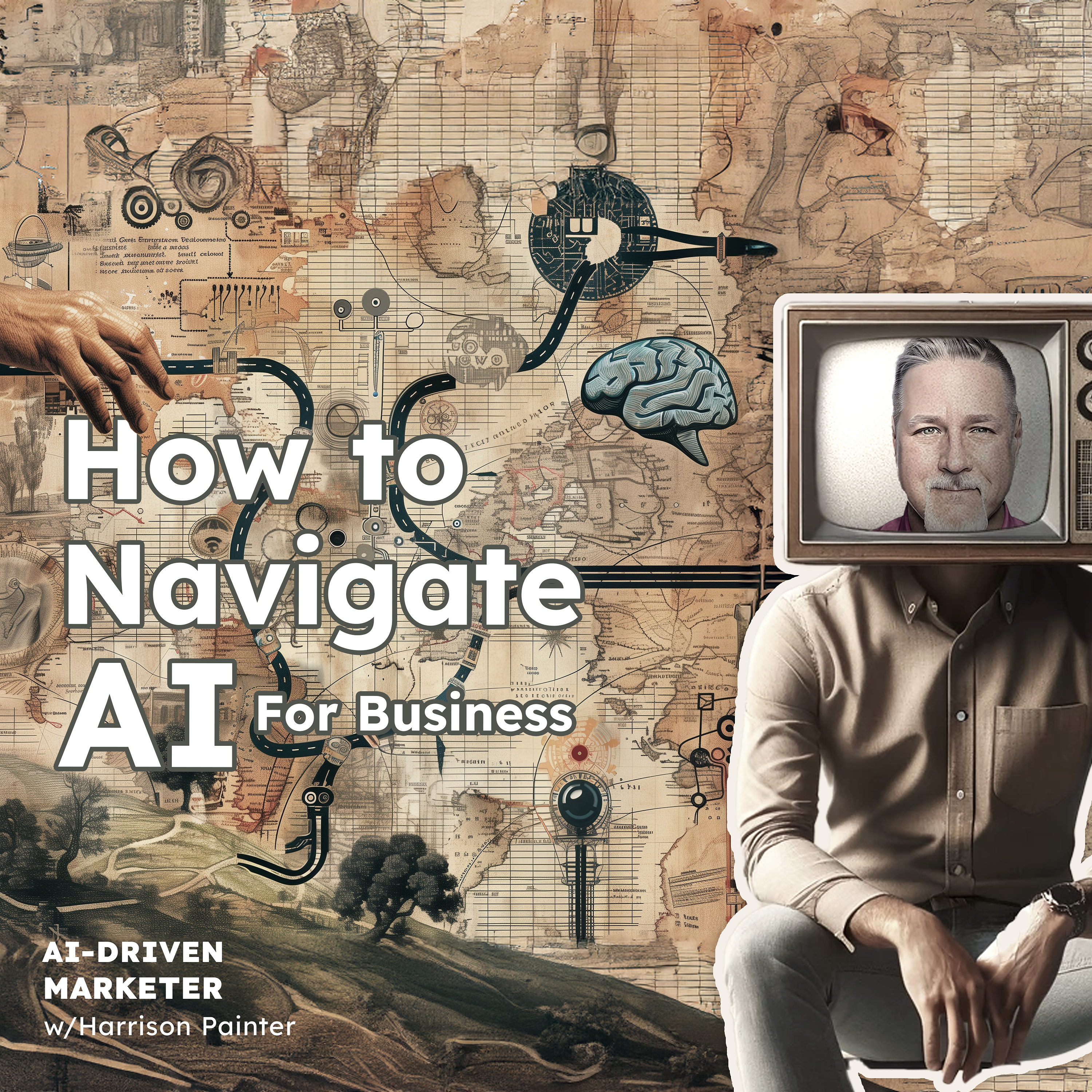
AI adoption is not only a technical project. It is also a change in how people work, learn, and make decisions. Harrison Painter moved from marketing into broader AI training and described the role as helping people understand the tools well enough to use them with confidence.
Make AI understandable
Harrison described himself as a non-technical chief AI officer, a facilitator and trainer rather than someone who expects every employee to become an engineer. That distinction matters because many people are interested in AI while feeling intimidated by the technical language around it.
The first step is to connect the tool to a real problem. ChatGPT, image systems, and other models become easier to understand when someone can see how they might help with a task already on the calendar. The goal is not to chase every new feature. It is to build enough familiarity to recognize useful opportunities.
Keep creativity and judgment involved
AI can draft, summarize, analyze, and generate options, but a person still supplies the purpose and the point of view. Harrison emphasized creativity and emotional intelligence as valuable strengths. An AI output can be technically polished and still fail to understand the customer, the context, or the feeling a message needs to carry.
That is why adoption should include discussion and experimentation, not just a tool rollout. Let people test use cases, compare results, and explain where the tool helped or missed. Those conversations build practical judgment faster than a long list of features.
Build for a moving target
The technology changes quickly. A workflow that works today may need to be adjusted when a model, interface, or price changes. Teams need a foundation that survives those changes: clear goals, repeatable evaluation, good data habits, and people who know how to learn a new tool.
Small businesses can benefit because they can experiment without waiting for a large organization to approve every step. The best starting point is a focused use case with a visible result. From there, document what worked, train others, and decide whether the workflow deserves to expand.
AI adoption succeeds when technical tools meet human capability. Teach the basics, make room for questions, and keep creativity and emotional intelligence at the center of the work.